
Fashion History
23 articles
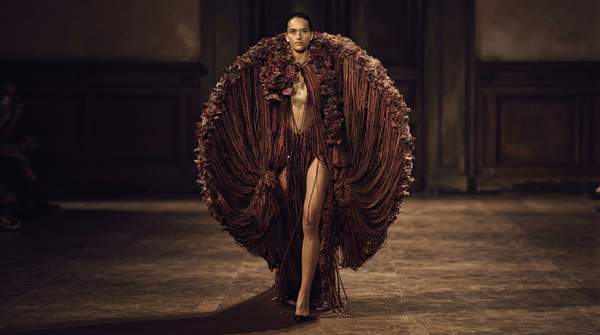
From Private Salon to Global Spectacle: How the Haute Couture Show Was Transformed
The haute couture show has evolved from an intimate private sales meeting into a global cultural spectacle, adapting its purpose, audience, and exclusivity mechanisms across distinct historical eras. This transformation reflects changing media landscapes and market dynamics, shifting from direct sales to aspirational branding.
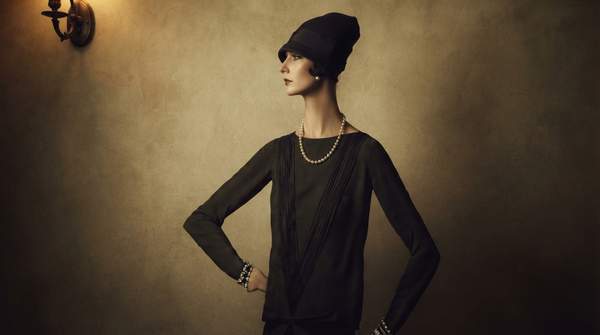
Chanel's 1926 “Ford” Dress: How the Little Black Dress Turned Mourning Color Into a Timeless Wardrobe Essential
Coco Chanel revolutionized fashion in 1926 by introducing the Little Black Dress (LBD) in American Vogue. This simple, versatile garment transformed black from a symbol of mourning into a chic, accessible wardrobe essential that remains timeless today.
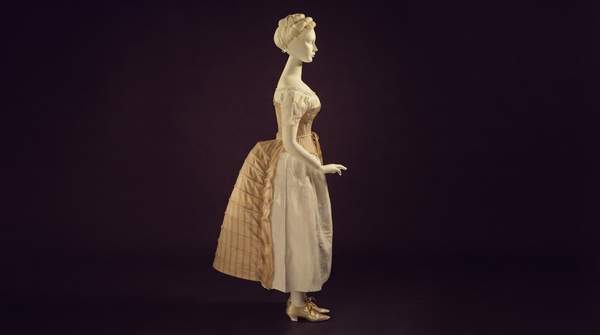
Cage, Pad, and Coil: The Three Engineering Phases of the Victorian Bustle
The Victorian bustle evolved through three distinct structural phases: the First Bustle Era, the Natural Form Era, and the Second Bustle Era, each defined by specific undergarment engineering that created unique silhouettes. Understanding these phases allows for accurate identification of Victorian dress eras based on their underlying construction and shape.
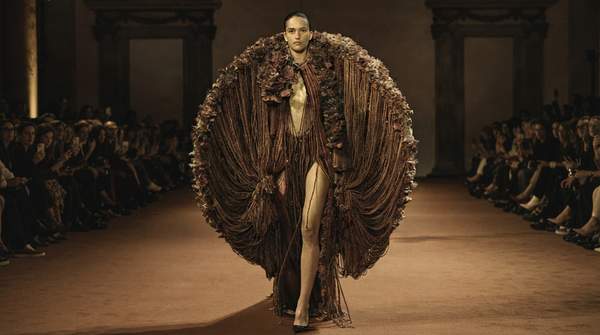
Two Movements, Two Wardrobes: How Surrealism and Art Nouveau Reshaped Haute Couture
Art Nouveau reshaped haute couture silhouettes with flowing, organic forms, freeing the body from corsetry, while Surrealism later unsettled minds with conceptual garments that displaced objects and subverted reality. This article explores how these distinct art movements influenced 20th-century fashion.
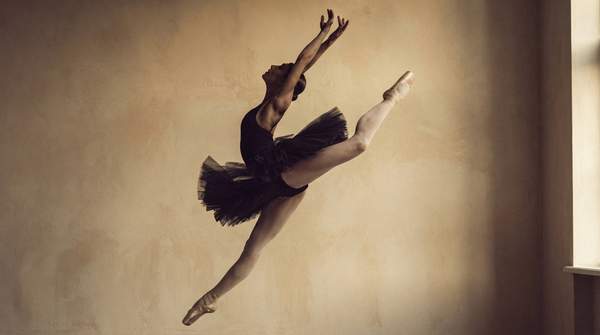
From Tutu to Couture: How Ballet Shaped the Silhouettes of High Fashion
Ballet's stage costumes, designed for freedom of movement and specific materials, have profoundly shaped haute couture silhouettes and aesthetics for two centuries. From the Romantic tutu to Ballets Russes influences and Coco Chanel's designs, functional innovations from the dance studio have repeatedly translated into fashion's most enduring styles.
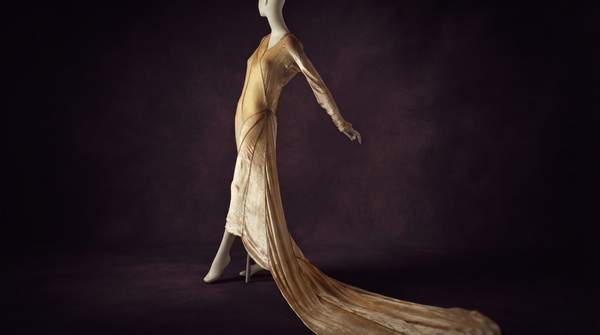
The Bias Cut Explained: Why Vionnet's 45-Degree Revolution Changed the Silhouette Forever
The bias cut, a technique of cutting fabric at a 45-degree angle to the grain, transforms rigid textiles into fluid, body-skimming garments. Madeleine Vionnet revolutionized fashion by applying this method to entire dresses, freeing women from corsetry and establishing a new standard for silhouette and comfort.
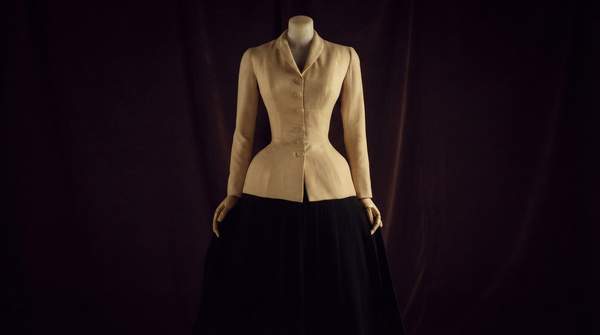
Dior's New Look: How Rounded Shoulders, a Cinched Waist and a Full Skirt Rebuilt Fashion After the War
Christian Dior's 1947 "New Look" collection revolutionized post-war fashion with its rounded shoulders, cinched waist, and voluminous skirts, symbolizing opulence and femininity. This architectural silhouette was widely adopted through ready-to-wear and home sewing, embedding its influence in mainstream style.

Four Ways to Authenticate a Vintage Garment — and Why No Single One Is Enough
Authenticating vintage haute couture requires a comparative, multi-layered approach, combining physical examination, archival research, provenance, and technology. No single method is sufficient, as each has limitations and can be deceived.
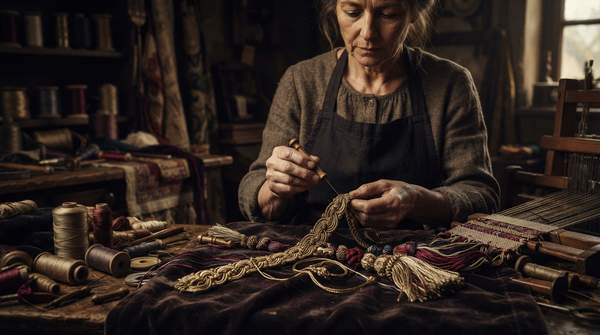
From Medieval Silkwomen to the Houses of Worth: The Long History of Passementerie
Explore the rich history of passementerie, the art of textile embellishment, from its medieval European origins and Renaissance guilds to its essential role in Parisian haute couture.
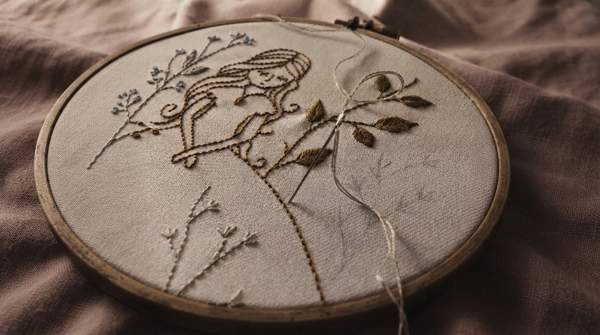
From Altar to Atelier: How Goldwork Embroidery Went From Power to Couture
Goldwork embroidery, historically a symbol of institutional power and prestige, has transitioned from adorning religious vestments and royal regalia to becoming a hallmark of luxury and craftsmanship in modern haute couture.
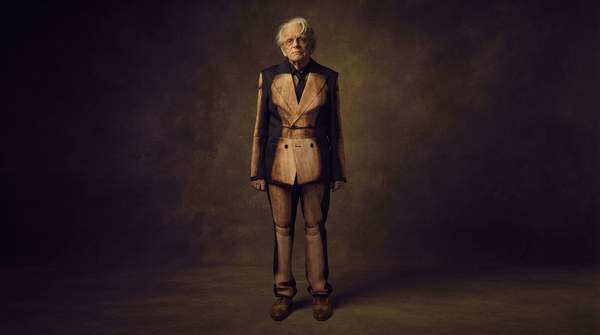
From Painted Grapes to Pixel Shirts: A History of Trompe l'Oeil in Fashion
Explore the fascinating history of trompe l'oeil in fashion, tracing its evolution from ancient art and early 19th-century dresses to Schiaparelli's iconic designs and contemporary digital illusions. Discover how designers have continuously used visual trickery to redefine garments and challenge perceptions.
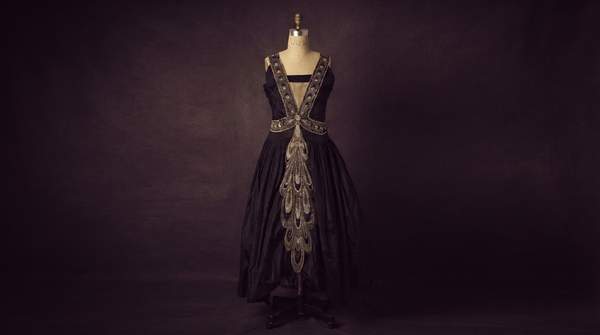
Beyond the Flapper: The Robe de Style's Romantic Counterpoint
The 1920s fashion landscape was more diverse than the iconic flapper dress suggests, featuring the romantic and feminine robe de style as a significant counterpoint. This silhouette, championed by Jeanne Lanvin, offered a historically inspired, full-skirted alternative to the era's prevailing boyish aesthetic.

The Engineered Evolution of Iconic Skirt Silhouettes
Historical skirt silhouettes were complex engineering solutions that profoundly shaped women's daily lives and societal roles, reflecting a distinct interplay of structural innovation, material availability, and socio-cultural norms. Understanding these garments' mechanics offers a discerning perspective on fashion's continuous evolution.

Haute Couture Atelier: 10 Master Techniques & Practices
In 1947, a major fashion house was tasked with creating around 180 prototypes for a collection in little less than a month and a half, as reported by Galerie Dior .

What Was the True Health Impact of the Evolution of the Corset?
In 1821, King George IV reportedly reduced his waist from 55 to 50 inches for his coronation, a remarkable feat of sartorial discipline documented by History Extra .

How Do You Uncover the True Value of Your Vintage Jewelry?
For the discerning fashion enthusiast, vintage jewelry is more than mere accessory; it is a narrative, a piece of history, and a definitive statement of personal style. Acquiring such treasures, however, is only the begi…

Historical Fashion Houses' Renewed Popularity Driven by Social Media
In 2022, TikTok fashion content featuring 'vintage' or 'archive' pieces amassed over 5 billion views, revealing a digital generation's unexpected obsession with fashion history, per the TikTok Trends

What Is Couture Embroidery? A Look at Its History and Advancements
Even after a haute couture garment is meticulously assembled, small gaps in its intricate embroidery frequently manifest along the seams.

How Did Mariano Fortuny Pleat the Delphos Gown? A History
Despite Mariano Fortuny holding the 1909 patent for the Delphos gown's revolutionary pleating process and its machine, he openly acknowledged Henriette Nigrin as the true inventor of the system.

What Is Maria Grazia Chiuri's Fendi Debut Haute Couture Collection?
At Rome's Galleria Nazionale d’Arte Moderna e Contemporanea, Maria Grazia Chiuri unveiled her Fendi haute couture debut, not on a standalone runway, but bookended by two distinct exhibitions, one revi

What Are the Origins and Impact of the Little Black Dress?
In 1926, Vogue published a drawing of a simple, calf-length black crêpe de Chine dress, adorned only with pearls, declaring it 'Chanel's Ford'.

Marilyn Monroe's Fashion Still Inspires Top Designers Today
In 2022, Kim Kardashian wore Marilyn Monroe's iconic bedazzled nude dress from 1962 to the Met Gala, a garment so delicate it had been stored in a darkened vault, according to Galerie Magazine .

The Sloane Ranger Phenomenon: How a Handbook Defined an Era
Fashion critic Vanessa Friedman, known for her sharp eye, recently sported a Barbour jacket at a Chanel show.