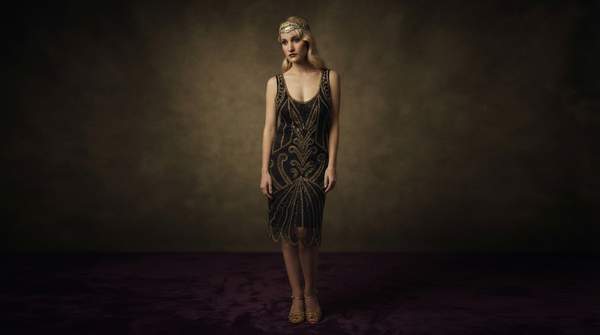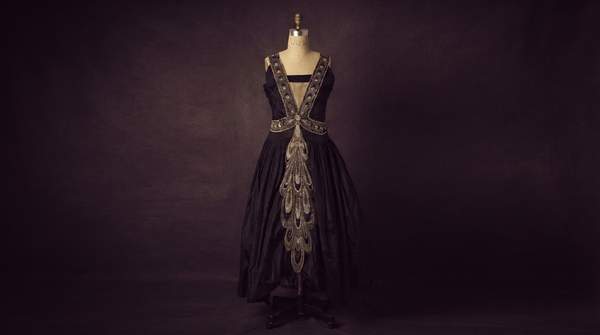
The fashion of the 1920s is often distilled into a single, enduring image: the flapper, whose straight-cut chemise dress and bobbed haircut came to define the "modern decade." This "La Garçonne-style" aesthetic, with its dropped waist and unsculpted lines, represented a radical departure from tradition. Yet, coexisting with this emblem of modernity was a distinctly different silhouette known as the robe de style. As a romantic and feminine alternative, this style, characterized by its full, historically inspired skirts, offered a vision of elegance that stood in stark contrast to the prevailing boyish look, revealing a fascinating duality in the sartorial landscape of the Roaring Twenties.
Jeanne Lanvin and the Birth of the Robe de Style
The popularization and perfection of the robe de style are inextricably linked to the French couturier Jeanne Lanvin. While she may not have been its sole inventor, Lanvin championed the design, making it a signature of her fashion house. She began debuting her interpretations of the silhouette toward the end of the 1910s, and it quickly became a celebrated alternative to the dominant tubular look. Her versions were praised for their feminine and romantic qualities, often rendered in soft pastels or dramatic black and silver, presenting a clear counter-narrative to the androgynous flapper aesthetic.
Lanvin's approach was not an isolated phenomenon but the most prominent example of a broader desire for a different kind of elegance. A 2024 article in Vogue describes the silhouette as "diaphanous, floaty, and highly feminine," noting that Lanvin was one of many designers who offered a "girlish alternative to the boyish La Garçonne look." Her mastery of the form, however, cemented the robe de style as a powerful and prevalent choice for women seeking a more traditional, yet still fashionable, form of expression during the decade.
Robe de Style vs. Flapper Dress: A Comparative Overview
The fundamental differences between the two defining styles of the 1920s are most apparent in their construction, silhouette, and aesthetic intent. While both styles often incorporated the dropped waistline that was fashionable until it began to rise again in 1928, their overall shapes were diametrically opposed. The flapper dress aimed to create a linear, uncurved line, whereas the robe de style celebrated volume and a more traditionally feminine form, particularly in the skirt.
| Feature | Robe de Style | Flapper Dress (Chemise) |
|---|---|---|
| Silhouette | A full-skirted silhouette with an expansive shape, contrasting with the era's straight-cut styles. | A straight-cut, tubular, and androgynous "La Garçonne-style" that draped over the body. |
| Waistline | Often featured a dropped waist, but the bodice could be fitted, creating a defined contrast with the full skirt. | Characterized by a dropped waistline that obscured the body's natural curves. |
| Skirt Volume | Long, voluminous skirts, sometimes supported by understructures like panniers, hoops, or petticoats. | A straight, ungathered skirt with a shorter hemline that contributed to a linear look. |
| Historical Inspiration | Drew direct inspiration from 17th and 18th-century costumes, reflecting a historicist revival. | Embodied a modern aesthetic intended to "unsculpt" the female form, breaking from historical precedent. |