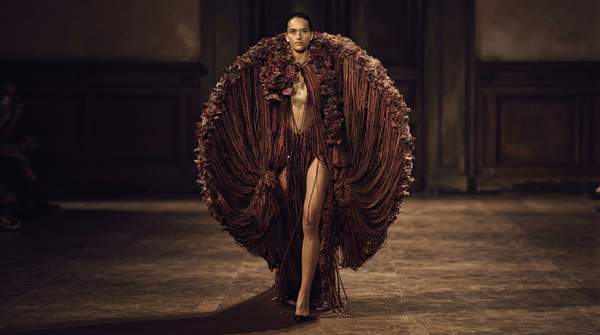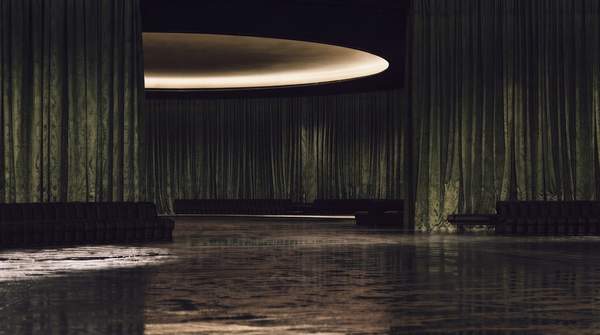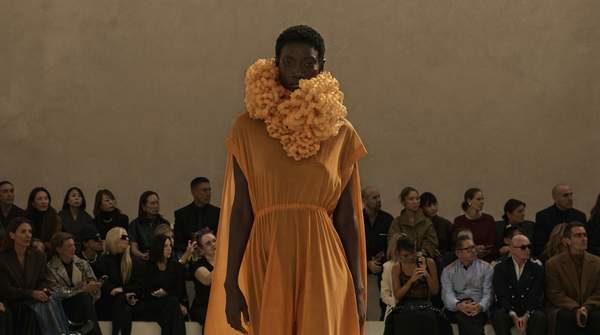
The most memorable haute couture shows are rarely remembered for garments alone. Three iconic productions—Chanel's Fall 2014 supermarket, Dior's Haute Couture Spring-Summer 2019 circus, and Viktor & Rolf's Fall 1999 couture living room—demonstrate that set architecture, lighting design, and live performance function as deliberate storytelling instruments, each constructing a narrative the clothes alone could not carry. This analysis breaks down how each element was executed and what it communicated, then distills the shared principles into a framework you can apply to any show you watch.
Iconic Runway Spectacles: A Comparative Analysis
The table below isolates each production element and traces its technical execution through to its narrative effect. The comparison reveals a shared logic: in each case, the non-garment element does not merely decorate the show—it generates the show's meaning, whether irony, atmosphere, or transformation. Read across the rows, the table also shows three distinct answers to the same question: what does the audience need to see, hear, and feel for the collection's story to land?
| Runway Show | Element Type | Technical Execution | Narrative Contribution |
|---|---|---|---|
| Chanel Fall 2014 | Set design | The Grand Palais was transformed into a near-functional supermarket, complete with signs advertising price increases; after Karl Lagerfeld's finale bow, guests descended on the aisles attempting to raid the set. | An "iconic (and knowingly ridiculous) display of fashion frenzy"—an ironic commentary on consumerism and the commodification of luxury. |
| Dior Haute Couture Spring-Summer 2019 | Lighting design | Warm golden lighting complemented a palette from neutrals to bold tones; the show began in darkness with soft, focused runway lights, brightened as the first model appeared, and dimmed to signal the end. | Amplified the opulent, daring circus theme, evoking the grandeur of early 20th-century circuses; lighting acted as a "metaphorical stage curtain" structuring the show's arc. |
| Viktor & Rolf Fall 1999 couture | Live performance | On a sparsely staged living room set at London's Sadler's Wells theatre, models disassembled furniture—couch cushions, coffee tables—for sartorial use, transforming pieces into garments on stage. | A "sheer display of technological ingenuity" that radically broke down the barriers between audience and designer, dramatizing couture's transformative power. |
Set Design as World-Building: Crafting Immersive Narratives
Karl Lagerfeld had a documented penchant for the extraordinary—Vogue's Alexandra Hildreth recalls that his Chanel productions ranged from a live rocket launch for Fall 2017 to a gigantic glacier built from ice imported from Sweden for Fall 2010. But the Fall 2014 supermarket stands apart because the set did something no garment could: it relocated couture into the language of everyday commerce, complete with signs advertising price increases. The venue itself—the monumental Grand Palais—was overwritten by the banal architecture of a grocery store, and that collision was the point.
The narrative payoff came after the finale. As Hildreth reports, guests descended on the aisles in an attempt to raid the set—an "iconic (and knowingly ridiculous) display of fashion frenzy." The audience's own behavior became the show's final act, collapsing the distance between luxury spectacle and supermarket grab-and-go. The set was not a backdrop; it was an argument about consumerism, staged so convincingly that the guests performed its punchline themselves. This is world-building in its purest form: the designer constructs an environment whose logic the audience involuntarily completes.
Lighting Design: Guiding Focus and Evoking Emotion
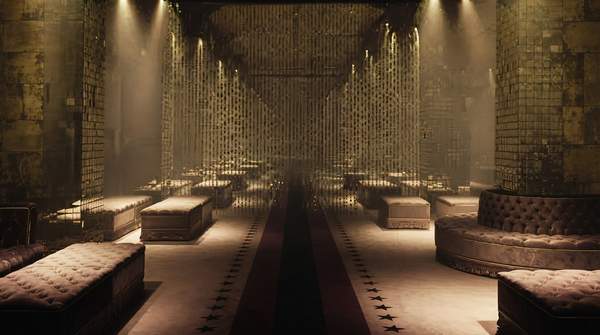
Dior's Haute Couture Spring-Summer 2019 show shows lighting operating as a narrative structure rather than mere illumination. As Bích Trâm's analysis for Vietcetera explains, warm golden lighting was chosen to complement a palette ranging from neutrals like white, black, and beige to bold tones like red, yellow, and pink, amplifying the opulent and daring circus theme and evoking the grandeur of early 20th-century circuses. The color of the light was itself a costume the garments had to harmonize with.
More striking is the lighting's temporal choreography. The show began in darkness, with soft, focused lights on the runway guiding the audience's attention to an intricate circus performance. When the first model appeared, the lights brightened; they dimmed again to signal the show's end. Trâm describes this as a "metaphorical stage curtain"—lighting that gives the presentation a beginning, middle, and end, the same structural arc a theatrical production uses to carry an audience through a story. Where Chanel built a world in space, Dior built one in time: darkness as the overture, brightness as the rising action, the final dimming as the curtain call.
Live Performance: Dynamic Storytelling and Audience Engagement
Viktor & Rolf's Fall 1999 couture show at London's Sadler's Wells theatre began with deliberate banality: a sparsely staged living room on stage, in which all seemed normal. The disruption came when models began disassembling the furniture for their own sartorial use—from couch cushions to coffee tables, pieces were "utterly transformed in a sheer display of technological ingenuity," as Hildreth recounts. The set here is minimal by design; it exists to be consumed by the performance, its ordinariness making the transformation all the more startling.
The performance's narrative contribution was its deconstructive method made visible. Rather than presenting finished garments, the designers staged the act of transformation itself, turning furniture into couture before the audience's eyes. Hildreth notes that while dressing models live on stage is now a familiar runway device, it once "radically broke down the barriers between the audience and the designer—especially in the realm of couture." The show's story was process: the labor, ingenuity, and reinvention at couture's core, performed rather than implied. Where the other two cases kept the audience watching a world, this one made the audience witness the work.
The Shared Grammar: How Space, Light, and Action Build a Story
Set side by side, the three cases reveal a common narrative grammar. Each show establishes a premise—the supermarket, the circus, the living room—that the audience can recognize instantly. Each then introduces a controlled disruption: prices that mock luxury, light that rises and falls like a curtain, furniture that becomes clothing. And each resolves with a deliberate ending—the raid, the dimming, the fully transformed figure. The non-garment elements supply what garments cannot: a setting, a tempo, and a visible act of change.
The elements also divide the labor of storytelling. Set design answers "where are we," establishing the world and its irony. Lighting answers "what should we feel and when," directing attention through the show's arc. Live performance answers "what is happening to whom," converting the audience from spectators into witnesses of transformation. A designer deploying all three controls the full theatrical register; the shows analyzed here each mastered one instrument and made it carry the entire narrative.
Beyond the Garment: Deconstructing Fashion's Narrative Language
When evaluating a high-fashion runway show, actively observe the set design, lighting, and live performances as intentional storytelling elements, not just background aesthetics. The three cases here show how: Chanel's supermarket used architecture to stage irony, Dior's circus used light to build a theatrical arc from darkness to finale, and Viktor & Rolf used live action to dramatize couture's transformative process. The measurable indicator of success is the ability to articulate how specific non-garment elements in a new show contribute to its overall narrative or theme. The next time a show opens in darkness or builds a world around the clothes, ask what that choice is telling you—and whether, like Chanel's guests raiding the aisles, you can name the story before the final bow.