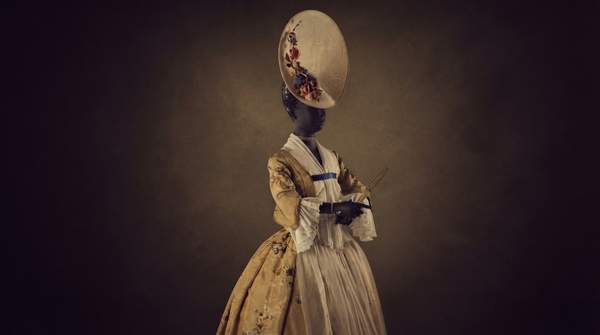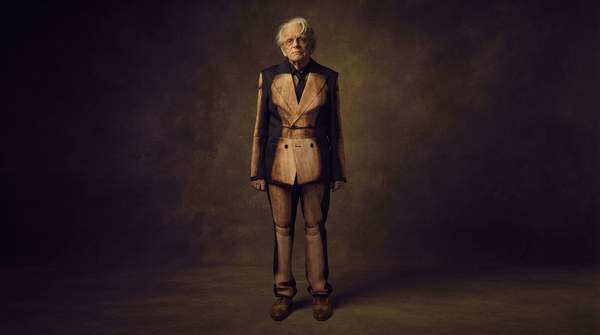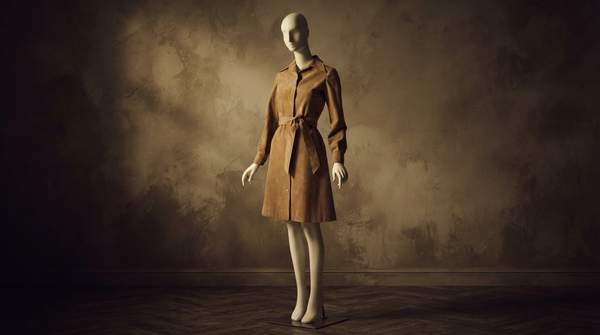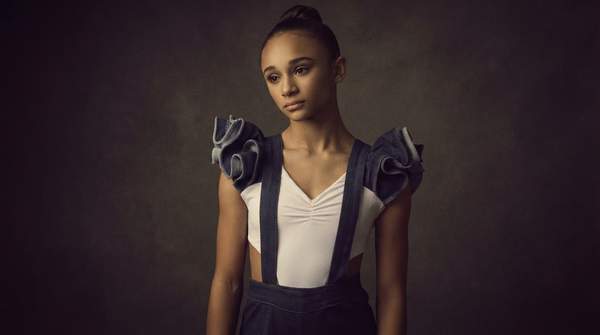
Zac Posen has designed the first authorized costume redesign for Jerome Robbins' "N.Y. Export: Opus Jazz," creating the wardrobe for Miami City Ballet through GapStudio. Invited by The Robbins Rights Trust and the company, Posen rebuilt the 1958 ballet's everyday wardrobe with denim, hoodies, button-down shirts and T-shirts, drawing on Gap's casual clothing and adapting it for the stage.
Zac Posen Reimagines a Classic: GapStudio's Debut with Miami City Ballet
The project, announced ahead of the company's first performances of the work, pairs a mass-market American wardrobe with classical dance. Posen, executive vice president and creative director of Gap Inc., created the costumes through GapStudio, the brand's design studio, drawing on its fall 2026 collection. Each of the ballet's 16 dancers receives a distinct look, an approach that treats costume as characterization rather than uniform. The collaboration extends beyond the theater through a campaign directed by two-time Emmy Award winner Ezra Hurwitz, shot in Miami with the company's dancers.
The Original Vision: "Ballet in Sneakers"
When "N.Y. Export: Opus Jazz" premiered in 1958, Robbins did something then considered radical: he put ballet dancers in sneakers. The costumes were the clothes of ordinary American youth — T-shirts, sneakers, casual separates — and the choreography captured the energy of young people in New York City. What read in 1958 as a provocation against ballet's formal conventions has, over decades, become part of the work's identity. Posen's redesign does not discard that founding gesture; it asks what the everyday wardrobe of American youth looks like nearly seventy years later.
A Dual Artistic Palette: American Casual and Matisse's "Jazz"
The designs draw on two distinct wellsprings. The first is contemporary: Gap's casual clothing, which Posen frames as a natural heir to Robbins' street-level aesthetic. "There was something incredibly modern about his vision of dancers in T-shirts and sneakers, capturing the energy and individuality of young people in New York City," Posen said in a news release. "That is the Gap vocabulary. Our ads have always danced."
The second inspiration is painterly. The color palette takes its cue from Henri Matisse's "Jazz" series, the artist's cut-out masterwork, combining denim, black and neutrals with saturated colors intended to reflect Miami. The pairing is deliberate: a ballet named for jazz meets a visual series named for jazz, and the result bridges fashion trends with fine art.
Crafting Movement: Design Details for Dancers
The wardrobe incorporates denim, T-shirts, button-down shirts, hoodies and relaxed trousers — garments authentic to the Gap brand but not, in their retail form, built for ballet. Stretch denim and changes to garment construction accommodate the movement Robbins' choreography demands, the practical engineering that lets everyday silhouettes survive partnering, jumps and floor work. The pieces remain recognizably casual rather than theatrical, which is precisely the point: the redesign keeps the work's street-clothes premise while making it danceable.
Comparing the Eras: "N.Y. Export: Opus Jazz" Costume Evolution
Juxtaposing the documented elements of the 1958 costumes with the 2026 redesign isolates what Posen has changed and what he has deliberately preserved. The comparison shows a reinterpretation through modern garments and a specific artistic palette, rather than a replication of the 1958 aesthetic.
| Aspect | 1958 Original (Robbins) | 2026 Redesign (Posen/GapStudio) |
|---|---|---|
| Concept | Dancers in everyday clothing — a "ballet in sneakers," radical for its time | Everyday wardrobe reinterpreted with contemporary American casual wear |
| Key garments | T-shirts and sneakers, reflecting casual youthful American style | Denim, hoodies, button-down shirts, T-shirts and relaxed trousers, adapted with stretch denim and construction changes for dance |
| Inspiration source | The street style of young New Yorkers | GapStudio's fall 2026 collection and Henri Matisse's "Jazz" series for the color palette |
| Finale look | Full cast in white T-shirts and sneakers — a signature of Robbins' vision | Full cast in white T-shirts and sneakers, preserved as a direct homage to the original |
Read side by side, the table makes the design logic visible: the garments and palette are new, while the finale and the underlying "ballet in sneakers" concept are carried forward intact.
Quotes from the Collaborators
"To be invited to reimagine the costumes for such an iconic work, while honoring the radical spirit of Robbins' original vision with the Miami City Ballet, is incredibly meaningful to me," Posen said. Miami City Ballet artistic director Gonzalo Garcia framed the partnership in kindred terms: "Zac's vibrant, playful designs are a perfect match for the youthful energy, individuality, and unmistakable spirit of Robbins' ballet." Hurwitz, directing the campaign, called the combination self-evident: "What could be better than bringing together the work of Jerome Robbins, with the dancers of Miami City Ballet, and the creative force that is Zac Posen and GapStudio."
Assessing the Impact of the Redesign
Audiences and critics can assess the impact of Zac Posen's GapStudio costume redesign on the Miami City Ballet's "N.Y. Export: Opus Jazz" after its initial run, with the production playing in Miami and Fort Lauderdale through October 25, 2026. The measurable indicator will be critical reviews and audience feedback on the GapStudio costume redesign's impact on the work — whether the marriage of mass-market American style, Matisse-derived color and classical choreography reads as a genuine revival of Robbins' radical spirit or as a fashion exercise beside it. The involved parties intend the redesign to breathe new life into the classic and engage new audiences; whether it does is what the coming weeks will show.
Sources
- MAZ :: Zac Posen Gives Miami City Ballet's ‘Opus Jazz' a New Wardrobe — Miamiartzine
- Zac Posen brings Gap’s American style to Miami City Ballet — FashionNetwork.com
- Ezra Hurwitz directs for Miami City Ballet & GapStudio — Miamicityballet