Roy Halston Frowick, known to the world simply as Halston, did more than just create clothes; he sculpted a new vision for American style in the 1970s. In an era emerging from the structured formalities of the past, his work offered a liberating alternative: a minimalist, sleek, and profoundly modern form of luxury. While his name became synonymous with the glamour of the disco age, his enduring influence is rooted in specific, tangible innovations in material and construction. By examining three of his most iconic creations—the pillbox hat that announced his arrival, the revolutionary Ultrasuede shirtdress, and the elegantly simple caftan—we can trace the core principles that secured his place in fashion history.
Halston's Vision: Minimalist Luxury and Innovation
Halston’s design philosophy was a masterclass in reduction. He stripped away the unnecessary, focusing on clean lines and fluid silhouettes that celebrated the body rather than constricting it. This was a minimalist approach not to austerity, but to a new kind of American luxury—one defined by ease, confidence, and modern sophistication. His aesthetic, described as both effortless and elegant, transcended occasions, offering women a versatile wardrobe that felt as good as it looked. This vision was built on a foundation of technical mastery, particularly his innovative use of materials and his unparalleled skill in draping.
He often sought to use fabric in its purest form, sometimes creating entire garments from a single piece of material to preserve its pattern and flow, a technique that became a signature of his brand and a testament to his belief that simplicity was the ultimate form of chic.
The Pillbox Hat: An Early Icon of American Style
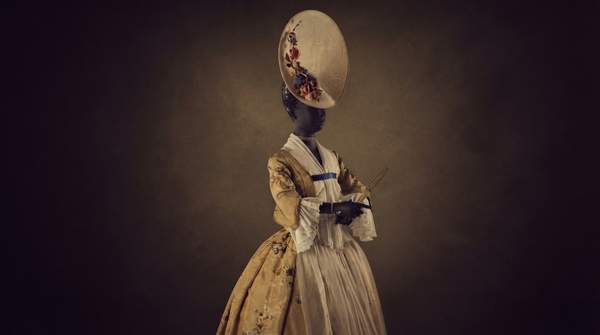
Before he became a household name for ready-to-wear, Halston was a celebrated milliner. His career began with a small hat-making business in Chicago, which quickly attracted a distinguished clientele and led to his appointment as head milliner for the luxury department store Bergdorf Goodman in New York. It was in this role that he designed the piece that would catapult him to national fame: the pillbox hat. According to an analysis from Iowa State University's Department of Apparel, Events, and Hospitality Management, the hat was a "notable triumph" for the young designer. Its clean, modern design stood in stark contrast to the more elaborate styles of the preceding decade.
The hat became an instant and iconic trend when First Lady Jacqueline Kennedy wore his design to her husband John F. Kennedy's presidential inauguration in 1961. This single moment cemented Halston's reputation as a formidable trendsetter and signaled a shift toward a more modern, understated American elegance.
The Ultrasuede Shirtdress: Revolutionary Material and Effortless Form
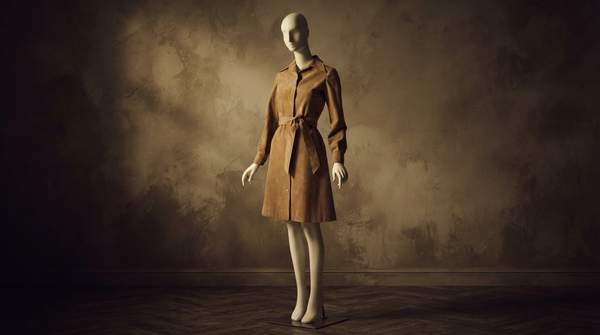
Halston's first major success in womenswear was a deceptively simple shirtdress with a revolutionary secret: its material. In 1970, he introduced a shirtdress crafted from Ultrasuede, an imitation leather manufactured in Japan that Halston himself referred to as "leatherette." This choice was a stroke of genius, perfectly blending the perception of luxury with unprecedented practicality. At a time when high fashion often meant high maintenance, Halston promoted the garment by highlighting that it was machine washable, a feature that resonated deeply with the modern, active woman. The dress was a massive commercial success, with reports indicating that approximately 50,000 units were sold. The Ultrasuede shirtdress perfectly embodied his minimalist aesthetic, offering a sleek silhouette that was both comfortable and chic, and it helped make the innovative fabric a fashion staple for many years to come.
The Caftan: Draping, Movement, and Modern Glamour
The caftan is perhaps the quintessential Halston garment, a piece that perfectly captures his mastery of draping, movement, and effortless glamour. He became particularly known for his chiffon and distinctive tie-dyed caftans, which transformed a traditional garment into a symbol of modern sophistication. The design's origin was reportedly a practical solution to an artistic problem. While experimenting with tie-dyed fabrics, Halston wanted to preserve the integrity of the intricate patterns without cutting the material into many pieces. The caftan's loose, flowing silhouette allowed him to use the fabric largely intact. This construction not only showcased the beauty of the textile but also eliminated the need for complex fitting and alterations, resulting in a garment that was universally flattering, incredibly comfortable, and undeniably glamorous—a uniform for the confident, modern woman he dressed.
Halston's Iconic Designs: A Comparative Analysis
| Iconic Design | Defining Material/Technique | Key Silhouette/Construction Feature | Historical Significance |
|---|---|---|---|
| Pillbox Hat | Clean, modern millinery design | A structured, simple shape that contrasted with the elaborate hats of the previous era. | Became an instant trend after being worn by Jacqueline Kennedy at the 1961 presidential inauguration, establishing Halston's national profile. |
| Ultrasuede Shirtdress | Ultrasuede, an imitation leather from Japan that Halston called "leatherette." | A minimalist, machine-washable shirtdress with sleek lines, combining luxury with practicality. | Marked Halston's first major success in ready-to-wear, selling approximately 50,000 units and popularizing an innovative new material. |
| Caftan | Chiffon and tie-dyed fabrics | A loose, flowing silhouette created from largely intact fabric to preserve patterns and eliminate complex fitting. | Became a signature Halston piece, embodying his minimalist approach and mastery of draping, movement, and effortless glamour. |
Recognizing Halston's Enduring Legacy
Halston's fundamental contribution to fashion was his redefinition of American luxury as something simple, comfortable, and modern. His work demonstrated that true elegance did not require rigid structure or fussy embellishment, but rather an intelligent use of material and a deep respect for the female form. From the sharp, modern lines of a hat to the fluid drape of a caftan, his designs empowered women with a sense of freedom and confidence. To fully appreciate Halston's impact, focus on how his innovative material choices and minimalist construction principles, exemplified by the pillbox hat, Ultrasuede shirtdress, and caftan, redefined American luxury fashion.
His influence remains a powerful force, a testament to a vision that was both of its time and timeless. The continued presence of Halston's design principles (simplicity, draping, innovative materials) in contemporary fashion collections and luxury ready-to-wear serves as the clearest indicator of his lasting and profound legacy.
Sources
- Halston | Iconic Halston dresses, gowns and ready-to-wear
- Halston · The Mount Mary University Fashion Archive — Digitalcollections
- Halston - Wikipedia — EN
- Halston: The glittering rise – and spectacular fall – of a fashion… — Department of Apparel, Events, and Hospitality Management