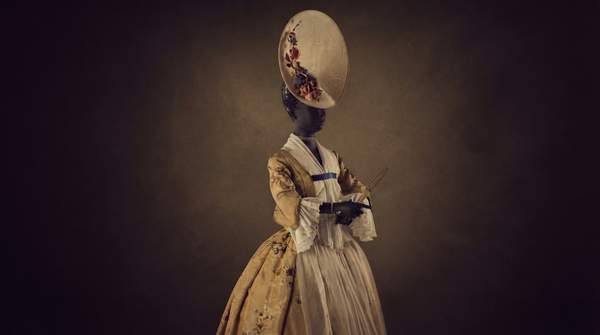
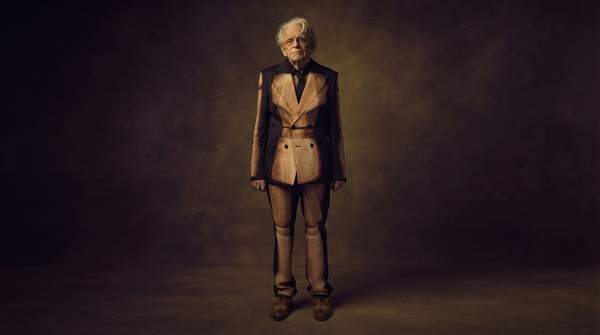
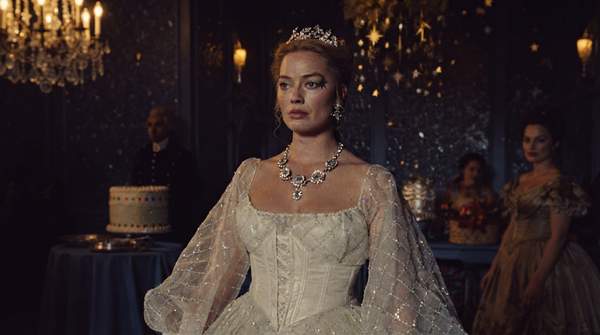
A recent collection’s engagement with New York drew criticism for reducing the city to recognizable symbols, rather than delving into its deeper complexities. Fashion shows, aspiring to be profound cultural manifestos, frequently default to superficial symbolism and familiar aesthetics. This creates a persistent tension between artistic intention and actual impact. The industry, by prioritizing spectacle over substance, risks alienating discerning audiences and diminishing its potential for meaningful artistic expression. While fashion seeks to elevate itself to high art and cultural commentary, it often prioritizes recognizable tropes and commercial appeal over nuanced engagement.
When Cultural Commentary Becomes Superficial Symbolism
The collection's portrayal of New York was criticized for reducing the city to mere symbols, according to The Impression. Fashion's pursuit of profound cultural commentary frequently backfires, revealing a designer's limitations rather than the subject's inherent depth. The artistic aspirations, in this instance, became overshadowed by a simplified interpretation of a complex urban identity. Some elements felt overly familiar within Demna’s established design language, inviting comparisons to other designers exploring wardrobe archetypes, The Impression reported. This reliance on an established ‘language’ can become a creative cage, preventing fresh cultural interpretation and leading to a pervasive sense of déjà vu. Companies investing in fashion as cultural commentary often trade genuine insight for easily digestible, hollow symbolic gestures. This strategy, while generating immediate buzz, sacrifices substantive artistic expression. Designers relying too heavily on their established 'design language' risk their cultural manifestos appearing self-referential and unoriginal, diminishing their impact and hindering fashion’s potential for deeper engagement.
The Internal Contradictions of Fashion as Art
The collection's closing dresses introduced a sense of glamour and release, hinting at a nuanced tension between severity and seduction, The Impression noted. The collection's closing dresses introduced a sense of glamour and release, hinting at a nuanced tension between severity and seduction, The Impression noted, suggesting that while the collection's broader cultural statement on New York was largely superficial, pockets of genuine artistic depth and complexity existed within the design itself. This implies a disconnect between overt intent and subtle, more potent artistic expressions embedded in the garments. The most genuine artistic tension may reside in these subtle details, not the overt cultural statements that often fall flat. This internal tension mirrors fashion's broader struggle to reconcile commercial imperatives with artistic aspirations, often diluting the message. Counterintuitively, the elements most 'familiar' within the designer's own language hinted at deeper artistic tension, suggesting the designer's personal aesthetic, rather than external cultural commentary, held the most nuanced artistic potential. Genuine cultural discourse suffers when spectacle consistently overshadows authentic artistic exploration.