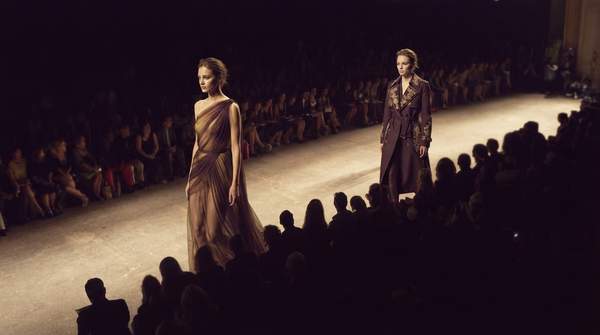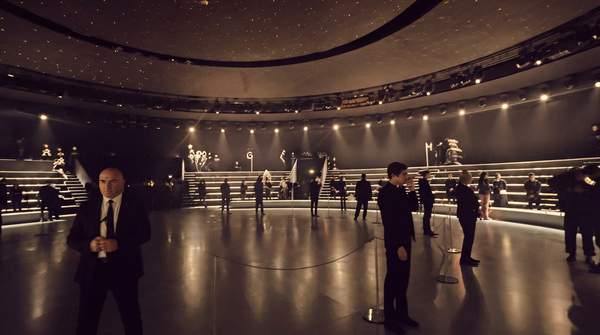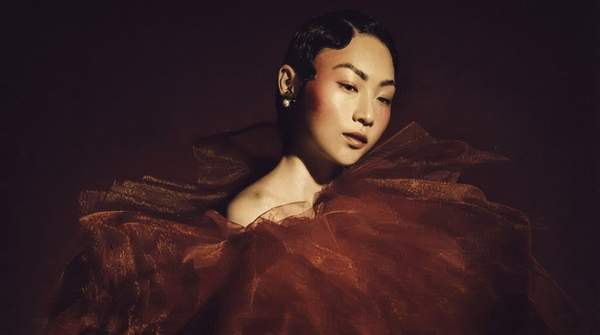
In the world of haute couture, a runway show is far more than a simple presentation of clothing. It is a meticulously crafted performance where every element—from the grand venue to the subtle shift in lighting—is strategically deployed to tell a story. Unlike ready-to-wear shows focused on commerce, haute couture presentations function as a brand’s primary image-building tool and a space for creative expression. Understanding how set design, lighting, and styling are used not just to display, but to define a collection is key to appreciating the art form’s full impact.
The Strategic Imperative of Haute Couture Production
Beneath the visible glamour of a Paris haute couture show lies a sophisticated business strategy centered on brand storytelling and innovation. According to an analysis in Fashion Theory, these events are designed to create an image of exclusivity and artistic authority that resonates globally. The purpose is not immediate sales but to establish what one report from VANSMITHLAB calls "an image of the unattainable garment." This elevates the entire brand. In a statement to Vogue, Sidney Toledano, chairman and CEO of LVMH Fashion Group, described haute couture as "a fantastic laboratory for research" and "a land of free expression for designers." This freedom from commercial constraints allows for immense investment in production, transforming the runway into an immersive narrative experience that solidifies the brand's identity and creative vision.
Comparative Analysis of Haute Couture Production Elements
To translate a collection's abstract theme into a tangible experience, creative directors and show producers strategically manipulate three core production elements. The following table breaks down how set design, lighting, and styling are used to achieve specific narrative goals, detailing their technical execution and ultimate impact on the audience's perception of the brand and its collection.
| Production Element | Strategic Goal in Couture | Technical Execution | Impact on Audience Perception |
|---|---|---|---|
| Set Design/Venue | To establish the collection's theme and create an immersive atmosphere that transports the audience. | Meticulous selection of a venue that aligns with the collection's story, theme, and inspiration. | Dramatically influences emotional response and can transport audiences to different times or places, reinforcing the brand's narrative. |
| Lighting Design | To support and highlight the garments, ensuring they remain the central focus while dictating the show's mood. | A delicate balance of techniques, from hard studio strobes for drama to soft diffusion for romance, to enhance the collection's aesthetic without overpowering it. | Shapes the pace, emotion, and memory of the show, contributing to the overall sensory energy and atmosphere. |
| Styling & Model Movement | To build rhythm and progression, ensuring the audience experiences a cohesive visual story rather than disparate outfits. | Careful curation of hair, makeup, and props, alongside specific physical direction for models to show how fabric behaves and to emphasize tailoring. | Creates a unified presentation where every detail supports the garments, bringing the collection's narrative to life through dynamic or powerful poses. |