There is no single best way to scent a home—there is only the method that matches your room, your habits, and your tolerance for upkeep. The essential distinction, as Homecourt frames it, is between active and passive fragrance: a candle releases scent only while its flame melts wax, producing something "strong, immediate, and limited to the duration of the burn," while a reed diffuser works continuously and unattended for weeks. Electric diffusers complicate the picture further, because ultrasonic and cold-air machines are wildly different beasts wearing the same name. Here is how the trade-offs actually sort themselves out.
The Fundamental Divide: Active Ritual Versus Passive Background
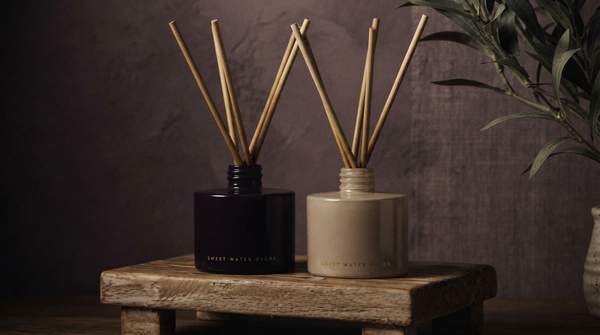
Every comparison of home fragrance begins with mechanism. A candle's heat volatilizes aromatic compounds into the air around it; once extinguished, the scent fades within an hour or two as the residual fragrance in the melt pool evaporates, according to Homecourt. A reed diffuser, by contrast, releases fragrance continuously through evaporation from porous reeds—no heat, no flame, no attention—with the scent building slowly over the first day and then holding a steady level for weeks.
Voluspa distills the downstream consequences into a tidy ledger: candles are ideal for ritual-like sessions while diffusers can last months; candles demand trimming and a watchful eye while diffusers are mostly hands-off; candles offer bursts of fragrance while diffusers deliver steady aroma; and aesthetically, candles make a statement with light while diffusers blend into décor. The two formats, as Homecourt concludes, are complementary rather than competing—which is why many households end up layering both.
Scented Candles: Ambiance, Intensity, and a Hard Safety Line
What a candle offers is precisely what no passive system can replicate: an occasion. Homecourt calls the experience "unmatched in-the-moment," and the flame itself is part of the pleasure—the flicker, the melt pool, the ceremony of lighting. But that same active mechanism defines the candle's limits. It cannot, in Homecourt's assessment, serve as the backbone of continuous fragrance coverage for an entire week.
The boundary is not merely practical but safety-driven. Open flames carry inherent risk: children, pets, drafts, and forgotten candles can all create hazards, and even well-managed candles should never burn unattended. That constraint confines candles to attended occasions rather than constant use, particularly in busy multi-person households. If your goal is a Friday-evening atmosphere in the sitting room, a candle is the right instrument; if it is a house that greets you at the door, it is the wrong one.