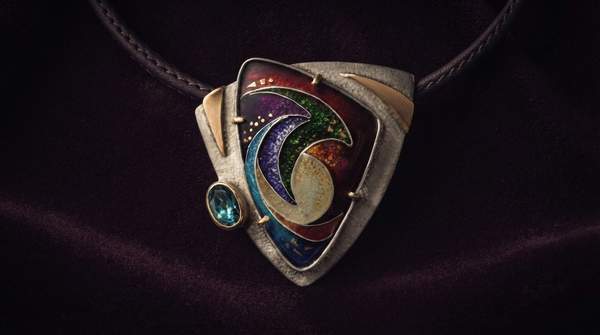
In the realms of high jewelry and horology, few decorative arts command as much reverence as enameling. This ancient craft, which involves fusing powdered glass to a metal base through intense heat, transforms a watch dial or a piece of jewelry into a luminous, enduring work of art. The process yields a surface with a unique depth and permanence, its colors locked in for generations. While many techniques exist, three foundational methods form the bedrock of this tradition: Grand Feu, cloisonné, and champlevé. Understanding the distinct process and visual signature of each is the key to appreciating the profound skill and patience embedded in these miniature masterpieces.
The Enduring Art of Enameling in High Horology and Jewelry
At its most fundamental, enameling is the art of fusing tiny glass particles with heat to create a solid, colorful layer over a metal background. The resulting surface can be tailored to be matte or shiny, opaque or translucent, offering a vast palette for artistic expression. In an era dominated by industrial production and the pursuit of profit, traditional enameling has become increasingly rare, rendering it somewhat enigmatic even to enthusiasts, as noted by the horological publication Revolution Watch. This rarity ensures its status as a highly prized Métiers d’Arts, or artistic craft, beloved by collectors.
The creation of an enamel piece is an exacting, hands-on discipline. According to the watchmaker Girard-Perregaux, which operates its own specialist enamel workshop, the various methods cannot be automated. The company states that 90% of all work is performed by hand, as this is the only way to achieve the necessary level of precision. This commitment to manual artistry is why true enamel work remains the preserve of Haute Horlogerie and bespoke jewelry. Each piece is a testament to the artisan's ability to master the delicate relationship between glass, metal, and fire, turning raw materials into an object of lasting beauty.
Grand Feu: The Fiery Path to Luminous Depth
The term Grand Feu, French for "Great Fire," directly references the technique's defining element: the kiln. In this process, an artisan applies fine enamel powder to a metal surface, which is then fired at extremely high temperatures. This is not a single event but a perilous, iterative cycle. Each layer of color requires a separate firing, and each trip to the kiln demands absolute control over the temperature. A slight miscalculation can cause the enamel to bubble, crack, or change color, instantly ruining hours of meticulous work.
When executed successfully, the Grand Feu technique produces a finish of unparalleled quality and durability. It is considered the best method for showcasing the deep saturation of colors, resulting in a perfectly smooth, luminous surface that seems to glow from within. The fusion of glass and metal creates an exceptionally stable and permanent decoration, its luster and vibrancy impervious to the effects of time. This quality of eternity makes it a particularly fitting art for the world of fine watchmaking, where longevity is a core value.